Hunting Dogs: Many dogs, especially the Hound Dogs, were specifically bred to hunt with humans and have a naturally strong to chase, and occasionally, to kill animals, birds and fish. Different types and breeds are included in our list of Hunting Dogs - but what makes these canines suitable as hunting dogs? Hunting Dogs - Sighthounds: Sighthounds specialise in hunting their quarry by sight aided by their excellent eyesight, agility, and their powerful legs and padded paws that enable them to traverse all types of terrain.
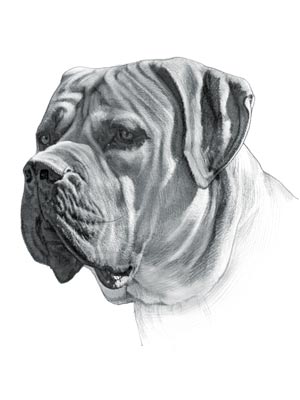
Hunting Dogs - Scenthounds: Scent hounds specialise in hunting their quarry guided by the odor of their prey. Scenthound Breeds are built for endurance, with loose, moist lips and large noses with deep, open nostrils that enable them pick up scent particles and track their prey. Hunting Dogs - Bird Dogs (Gun Dogs): The invention of firearms brought a significant change to the role of many Hunting dogs and many made the successful transition to the function required of a Bird Dog (Gun Dog). We have provided a comprehensive list of Bird Dogs separately under Bird Dog (Gun Dog) Breeds. Hunting Dogs - Retrievers: The Sporting Dog breed group hunt by air scent. The Retriever type of dog breeds were trained to pick up, or retrieve, prey and return the quarry to the Hunter. Hunting Dogs - Pointers: The Pointer type of dog breed were trained to direct, or point the hunter to the prey and the hunter used weapons or nets to catch the animals . Hunting Dogs - Setters: Setter breeds were trained to crouch, or set, in front of game preventing the escape of the prey. Hunting Dogs - Terriers: The word 'terrier' is derived from the Latin word 'terra' meaning "earth" because the numerous terrier breeds were originally bred and trained to pursue their quarry, such as rats, foxes and badgers into their burrows. Hunting Dogs - A - Z List: The A - Z List of Hunting Dogs include Sighthounds, Scenthounds, Retrievers, Pointers, Setters and Terriers who were bred and trained to help man with the important task of hunting. For additional facts and information refer to Hound Dog Breeds. A - Z List of Hunting Dogs Hunting Dogs - Affenpinscher: The small sized, adventuresome, friendly, headstrong Affenpinscher belongs to the Toy Dog Group (AKC:1936) and used for hunting small game and rats. Hunting Dogs - Afghan Hound: The large sized, regal, independent, cool Afghan Hound belongs to the Hound Dog Group (AKC:1926) and used as a Hunting Dog to hunt hare, fox, wolf and gazelle. Hunting Dogs - Airedale Terrier: The medium sized, sharp, loving, self-assured Airedale Terrier belongs to the Terrier Group (AKC:1888) and used as a Hunting Dog for catching badgers and otters. Hunting Dogs - Akita: The large sized, responsive, sharp, courageous Akita belongs to the Working Dog Group and used as a Hunter for large game hunting. Hunting Dogs - Alaskan Malamute: The large sized, faithful, playful, devoted Alaskan Malamute belongs to the Working Dog Group (AKC:1935) and used as a Hunting Dog to hunt for large game including the polar bear. Hunting Dogs - American Foxhound: The medium sized, sweet-tempered, independent, faithful American Foxhound belongs to the Hound Dog Group and used as a Hunting Dog to hunt for small game especially foxes. Hunting Dogs - American Water Spaniel: The medium sized, energetic, responsive, protective American Water Spaniel belongs to the Sporting Dog Group and used as a Hunting Dog to flush birds, small game and waterfowl. Hunting Dogs - Anatolian Shepherd Dog: The large sized, proud, independent, bold Anatolian Shepherd belongs to the Working Dog Group (AKC:1996) and used as a Hunting Dog to hunt wolves. Hunting Dogs - Australian Terrier: The small sized, even tempered, sharp, companionable Australian Terrier belongs to the Terrier Group (AKC:1960) and used as a Hunting Dog to hunt vermin such as mice and rats. Hunting Dogs - Azawakh: The large sized, cool, fierce, attentive Azawakh belongs to the Hound Dog Group and used as a Hunting Dog to hunt hare, antelope and wild boar. Hunting Dogs - Bandog: The medium to large-sized, trustworthy, even tempered, spirited Bandog belongs to the Working Dog Group and used as a Hunting Dog to hunt large game in Ireland. Hunting Dogs - Basenji: The medium sized, energetic, loving, curious Basenji belongs to the Hound Dog Group (AKC:1943) and used as a Hunting Dog in Africa to hunt monkeys, small cats and antelopes. Hunting Dogs - Basset Hound: The medium sized, devoted, steadfast, sweet-tempered Basset Hound belongs to the Hound Dog Group (AKC:1935) and used as a Hunting Dog to hunt bears, badgers and rabbits. Hunting Dogs - Beagle: The small sized, lively, loving, independent Beagle belongs to the Hound Dog Group (AKC:1885) and used as a Hunting Dog to hunt rabbit and hare. Hunting Dogs - Beauceron: The medium to large-sized, calm, protective, loving Beauceron belongs to the Herding Dog Group and used as a Hunting Dog to track stag, boar and bears. Hunting Dogs - Bedlington Terrier: The small sized, loving, spirited, clever Bedlington Terrier belongs to the Terrier Group and used as a Hunting Dog to hunt rats, mice and badgers. Hunting Dogs - Blue Lacy: The medium sized, sharp, intense, active Blue Lacy belongs to the Working Dog Group and used as a Watch dog, Hunting dog to hunt for wild hogs. Hunting Dogs - Black and Tan Coonhound: The large sized, sweet-tempered, easygoing, adaptable Black and Tan Coonhound belongs to the Hound Dog Group and used as a Hunting Dog to hunt bears and opussums. Hunting Dogs - Bloodhound: The large sized, headstrong, even tempered, independent Bloodhound belongs to the Hound Dog Group (AKC:1885) and used as a Hunting Dog that used its sense of smell to originally hunt wild boar and deer. Hunting Dogs - Bluetick Coonhound: The large sized, active, clever, loving Bluetick Coonhound belongs to the Hound Dog Group and used as a Hunting Dog, using its power, stamina and sense of smell to track cougars. Hunting Dogs - Border Terrier: The small sized, fearless, loving, responsive Border Terrier belongs to the Terrier Group (AKC:1930) and used as a Hunting Dog to hunt vermin and small game. Hunting Dogs - Borzoi: The large to giant sized, respectful, independent, sweet-tempered Borzoi belongs to the Hound Dog Group (AKC:1891) and used as a Hunting Dog to hunt wolves and foxes. Hunting Dogs - Boston Terrier: The small sized, lively, playful, loving Boston Terrier belongs to the Terrier Group (AKC:1893) and used as a Hunting Dog to hunt rats. Hunting Dogs - Boxer Dog: The medium sized, energetic, fearless, faithful Boxer Dog belongs to the Working Dog Group (AKC:1904) and used as a Hunting Dog to hunt wild boar, small bears and deer. Hunting Dogs - Boykin Spaniel: The medium sized, eager, loving, energetic Boykin Spaniel belongs to the Sporting Dog Group and used as a Retriever and used in hunts for birds such as grouse, pheasant or quail. Hunting Dogs - Bull Terrier: The medium sized, protective, courageous, active Bull Terrier belongs to the Terrier Group (AKC:1885) and used as a Hunting Dog to hunt small and large game and catch poachers. Hunting Dogs - Bullmastiff: The large sized, protective, courageous, reliable Bullmastiff belongs to the Working Dog Group (AKC:1934) and used as a Hunting Dog to hunt large game and catch poachers. Hunting Dogs - Cairn Terrier: The small sized, fearless, assertive, active Cairn Terrier belongs to the Terrier Group (AKC:1913) and used as a Hunting Dog to hunt vermin. Hunting Dogs - Cane Corso: The large sized, calm, even tempered, reserved Cane Corso belongs to the Working Dog Group and used as a Hunting Dog and Retriever to hunt porcupine, wild boar, bear, wolf and badgers. Hunting Dogs - Carolina Dog: The medium sized, reserved, sweet-tempered, responsive Carolina Dog belongs to the Hound Dog Group and used as a Hunting Dog to hunt wild hogs and raccoons. Hunting Dogs - Catahoula Leopard Dog: The large sized, energetic, sweet-tempered, inquisitive Catahoula Leopard Dog belongs to the Herding Dog Group and used as a Hunting Dog to hunt small and large game. Hunting Dogs - Cesky Terrier: The small sized, calm, placid, cheerful Cesky Terrier belongs to the Terrier Group and used as a Hunting Dog to hunt vermin. Hunting Dogs - Chesapeake Bay Retriever: The large sized, loving, protective, dominant Chesapeake Bay Retriever belongs to the Sporting Dog Group (AKC:1884) and used as a Water retriever dog to hunt small game and waterfowl Hunting Dogs - Chow: The medium sized, faithful, detached, clever Chow-Chow belongs to the Non Sporting Dog Group (AKC:1903) and used as a Hunting & pointing dog. Hunting Dogs - Cocker Spaniel (English): The medium sized, faithful, clever, loving Cocker Spaniel (English) belongs to the Sporting Dog Group (AKC:1945) and used as a Hunting Dog to flush and retrieve birds and small game. Hunting Dogs - Coton De Tulear: The small sized, loving, vocal, playful Coton De Tulear belongs to the Non-Sporting Dog Group and used as a Watch dog, Ratter and Companion dog. Hunting Dogs - Dachshund: The small sized, courageous, lively, headstrong Dachshund belongs to the Hound Dog Group (AKC:1885) and used as a Hunting Dog for animals that lived in burrows and were also known to help in hunts in the US for prairie dogs. Hunting Dogs - Dandie Dinmont Terrier: The small sized, loving, lively, determined Dandie Dinmont Terrier belongs to the Terrier Group (AKC:1886) and used as a Hunting Dog to hunt badgers and otters. Hunting Dogs - Dogo Argentino: The large sized, energetic, powerful, headstrong Dogo Argentino belongs to the Working Dog Group and used as a Hunting Dog to hunt wild boar. Hunting Dogs - Dogue De Bordeaux: The large sized, vigilant, courageous, faithful Dogue De Bordeaux (French Mastiff) belongs to the Working Dog Group (AKC:2008) and used as a Hunting Dog to hunt small and large game in France. Hunting Dogs - English Cocker Spaniel: The medium sized, faithful, clever, loving English Cocker Spaniel belongs to the Sporting Dog Group (AKC:1945) and used as a Hunting Dog to hunt small game. Hunting Dogs - English Foxhound: The large sized, sociable, tolerant, sweet-tempered English Foxhound belongs to the Hound Dog Group (AKC:1909) and used as a Hunting Dog to hunt foxes. Hunting Dogs - English Mastiff: The giant sized, loving, courageous, faithful English Mastiff belongs to the Working Dog Group (AKC:1885) and was used as a Hunting Dog to hunt large game. Hunting Dogs - Finnish Spitz: The medium sized, faithful, vocal, playful Finnish Spitz belongs to the Non Sporting Dog Group (AKC:1988) and used as a Hunting Dog to hunt small game and birds. Hunting Dogs - French Bulldog: The small sized, lively, loving, patient French Bulldog belongs to the Non Sporting Dog Group (AKC:1898) and used as a Ratter and Lapdog. Hunting Dogs - German Pinscher: The medium sized, spirited, courageous, loving German Pinscher belongs to the Working Dog Group (AKC:2003) and used as a Ratter. Hunting Dogs - German Shorthaired Pointer: The medium to medium to large sized, loving, lively, bold German Shorthaired Pointer belongs to the Working Dog Group (AKC:1930) and used as a Hunting & pointing dog to catch small animals. Hunting Dogs - German Wirehaired Pointer: The medium sized, active, responsive, loving German Wirehaired Pointer belongs to the Sporting Dog Group (AKC:1959) and used as a Watch dog, Hunting & pointing dog to hunt small animals. Hunting Dogs - Glen of Imaal Terrier: The medium sized, nimble, faithful, courageous Glen of Imaal Terrier belongs to the Terrier Group (AKC:2004) and used as a Hunting Dog to hunt badgers and foxes. Hunting Dogs - Golden Retriever: The medium to large sized, trustworthy, loving, self-assured Golden Retriever belongs to the Sporting Dog Group (AKC:1925) and used as a Retriever and Hunting Dog for small animals. Hunting Dogs - Great Dane: The giant sized, self-assured, devoted, loving Great Dane belongs to the Working Dog Group (AKC:1887) and used as a Hunting Dog to hunt wild boar and small game. Hunting Dogs - Greyhound Dog: The large sized, loving, even tempered, clever Greyhound Dog belongs to the Hound Dog Group (AKC:1885) and used as a Hunting Dog to hunt hare, rabbits, deer and wolves. Hunting Dogs - Harrier: The medium sized, outgoing, loving, active Harrier belongs to the Hound Dog Group (AKC:1885) and used as a Hunting Dog to hunt rabbits, foxes and hares. Hunting Dogs - Ibizan Hound: The large sized, active, engaging, headstrong Ibizan Hound belongs to the Hound Dog Group (AKC:1978) and used as a Hunting Dog to hunt small game such as rabbits. Hunting Dogs - Irish Terrier: The medium sized, protective, lively, dominant Irish Terrier belongs to the Terrier Group (AKC:1885) and used as a Hunting Dog as bird setters and retrievers. Hunting Dogs - Irish Wolfhound: The giant sized, faithful, regal, patient Irish Wolfhound belongs to the Hound Dog Group (AKC:1897) and used as a Hunting Dog to hunt wolves, stag and elk. Hunting Dogs - Italian Greyhound: The small sized, nimble, loving, clever Italian Greyhound belongs to the Toy Dog Group (AKC:1886) and used as a Hunter to hunt rabbits and other small game. Hunting Dogs - Jack Russell Terrier: The small sized, courageous, alert, independent Jack Russell Terrier belongs to the Terrier Group (AKC:2012) and used as a Hunting Dog to hunt foxes and vermin. Hunting Dogs - Keeshond: The medium sized, agile, obedient, playful Keeshond belongs to the Non Sporting Dog Group (AKC:1930) and used as a Ratter and Barge watch dog and hunt rats. Hunting Dogs - Kerry Blue Terrier: The medium sized, spirited, alert, loyal Kerry Blue Terrier belongs to the Terrier Group (AKC:1922) and used as a Hunting Dog to hunt rats, mice and otters. Hunting Dogs - Kooikerhondje: The small to medium sized, territorial, agile, alert Kooikerhondje belongs to the Sporting Dog Group and used as a Waterfowl Dog. Hunting Dogs - Kuvasz: The giant sized, protective, independent, patient Kuvasz belongs to the Working Dog Group (AKC:1931) and used as a Hunting dog to hunt wolves and bears. Hunting Dogs - Lagotto Romagnolo: The medium sized, energetic, companionable, active Lagotto Romagnolo belongs to the Sporting Dog Group and used as a retriever and Truffle hunting dog. Hunting Dogs - Lakeland Terrier: The small sized, independent, bold, friendly Lakeland Terrier belongs to the Terrier Group (AKC:1934) and used as a Hunting Dog to hunt vermin, otters and foxes. Hunting Dogs - Lurcher: The large sized, quiet, tenacious, affectionate Lurcher belongs to the Hybrid / Mix group (Greyhound / Terrier) and used as a Hunting Dog for small game. Hunting Dogs - Manchester Terrier: The small sized, loyal, active, alert Manchester Terrier belongs to the Terrier Group (AKC:1887) and used as a Hunting Dog to hunt vermin. Hunting Dogs - Miniature Bull Terrier: The small sized, energetic, courageous, loving Miniature Bull Terrier belongs to the Terrier Group (AKC:1991) and used as a Fighting and Hunting Dog to hunt rats and mice. Hunting Dogs - Miniature Pinscher: The small sized, energetic, clever, friendly Miniature Pinscher belongs to the Toy Dog Group (AKC:1925) and was originally used as a Ratter. Hunting Dogs - Miniature Schnauzer: The small sized, friendly, alert, obedient Miniature Schnauzer belongs to the Terrier Group (AKC:1926) and used as a Hunting Dog to hunt vermin. Hunting Dogs - Neapolitan Mastiff: The large to giant sized, fearless, dominant, protective Neapolitan Mastiff belongs to the Working Dog Group (AKC:2004) and used as a Watch dog, Fighter and Hunting Dog to hunt bear and large game. Hunting Dogs - New Guinea Singing Dog: The medium sized, lively, affectionate, gentle New Guinea Singing Dog belongs to the Hound Dog Group (Rare Breed) and used as a Hunting Dog (Sighthound) hunting small game and birds, including parrots. Hunting Dogs - Newfoundland Dog: The large to giant sized, courageous, loyal, sociable Newfoundland Dog belongs to the Working Dog Group (AKC:1886) and used as a Hunting to hunt fish. Hunting Dogs - Norfolk Terrier: The small sized, companionable, spirited, fearless Norfolk Terrier belongs to the Terrier Group (AKC:1979) and used as a Hunting Dog to hunt foxes and vermin. Hunting Dogs - Norwegian Elkhound: The medium sized, hardy, alert, playful Norwegian Elkhound belongs to the Hound Dog Group (AKC:1913) and used as a Hunting Dog to hunt elk, mountain lions and bears. Hunting Dogs - Norwich Terrier: The small sized, sensitive, affectionate, energetic Norwich Terrier belongs to the Terrier Group (AKC:1936) and used as a Hunting Dog to hunt vermin and foxes. Hunting Dogs - Nova Scotia Duck Tolling Retriever: The medium sized, courageous, affectionate, energetic Nova Scotia Duck Tolling Retriever belongs to the Sporting Dog Group (AKC:2003) and used as a Water retriever dog to hunt waterfowl. Hunting Dogs - Otterhound: The large sized, even tempered, boisterous, amiable Otterhound belongs to the Hound Dog Group (AKC:1909) and used as a Hunting Dog to hunt otters. Hunting Dogs - Parson Russell Terrier: The medium sized, bold, energetic, responsive Parson Russell Terrier belongs to the Terrier Group (AKC:1997) and used as a Hunting Dog to hunt fox and vermin. Hunting Dogs - Patterdale Terrier: The small sized, inquisitive, bold, loving Patterdale Terrier belongs to the Terrier Group (Rare Breed) and used as a Hunting Dog to hunt rabbits, fox and vermin. Hunting Dogs - Peruvian Inca Orchid: The medium sized, protective, sharp, lively Peruvian Inca Orchid belongs to the Hound Dog Group and used as a Hunting dog (sighthound) to hunt small animals and vermin. Hunting Dogs - Petit Basset Griffon Vendeen: The medium sized, lively, out-going, loving Petit Basset Griffon Vendeen belongs to the Hound Dog Group (AKC:1990) and used as a Hunting Dog to hunt rabbits and hares. Hunting Dogs - Pharaoh Hound: The medium sized, sociable, active, loving Pharaoh Hound belongs to the Hound Dog Group (AKC:1983) and used as a Hunting dog to hunt gazelle and small game in Ancient Egypt. Hunting Dogs - Plott Hound: The medium sized, bold, sharp, courageous Plott Hound belongs to the Hound Dog Group (AKC:2006) and used as a Hunting Dog to hunt bears. Hunting Dogs - Portuguese Podengo: The small sized, hardy, lively, companionable Portuguese Podengo belongs to the Hound Dog Group and used as a Hunting Dog to hunt rabbits. Hunting Dogs - Portuguese Water Dog: The medium sized, impetuous, courageous, docile Portuguese Water Dog belongs to the Working Dog Group (AKC:1983) and used as a Watch dog and Gun Dog to hunt small game and fish. Hunting Dogs - Pyrenean Shepherd: The medium sized, reserved, devoted, sharp Pyrenean Shepherd belongs to the Herding Dog Group and used as a Ratter and Farm Dog. Hunting Dogs - Rat Terrier: The small sized, inquisitive, loving, lively Rat Terrier belongs to the Terrier Group (AKC:2013) and used as a Watch dog, Ratter and Farm Dog to hunt vermin. Hunting Dogs - Redbone Coonhound: The medium sized, energetic, loving, unflappable Redbone Coonhound belongs to the Hound Dog Group (AKC:2003) and used as a Hunting Dog to hunt small animal and raccoons. Hunting Dogs - Rhodesian Ridgeback: The large sized, faithful, regal, sensitive Rhodesian Ridgeback belongs to the Hound Dog Group (AKC:1955) and used as a Hunting Dog to hunt large game, including lions, in Africa. Hunting Dogs - Rottweiler: The large sized, powerful, intimidating Rottweiler was used as a Hunting Dog to hunt large game, including wolves and bears. Hunting Dogs - Russian Bear Dog: The large sized, sharp, strong, dominant Russian Bear Dog belongs to the Working Dog Group and used as a Hunting Dog to hunt bears. Hunting Dogs - Saluki: The large sized, faithful, cool, clever Saluki belongs to the Hound Dog Group (AKC:1929) and used as a Hunting Dog to hunt hawks, foxes, wolves, hare and gazelle. Hunting Dogs - Scottish Deerhound: The giant sized, sweet-tempered, regal, docile Scottish Deerhound belongs to the Hound Dog Group (AKC:1886 and used as a Hunting Dog to hunt deer and stags. Hunting Dogs - Scottish Terrier: The small size, sharp, feisty, independent Scottish Terrier belongs to the Terrier Group (AKC:1885) and used as a Hunting Dog to hunt vermin. Hunting Dogs - Sealyham Terrie: The small sized, calm, fearless, loving Sealyham Terrier belongs to the Terrier Group (AKC:1911) and used as a Hunting Dog to hunt foxes, badgers and otters. Hunter Dogs - Shiba Inu: The medium sized, sharp, self-assured, faithful Shiba Inu belongs to the Non Sporting Dog Group (AKC:1992) and used as a Watch dog, Flusher and Hunting Dog to hunt birds and small animals. Hunter Dogs - Shikoku: The medium to large sized, nimble, cautious, faithful Shikoku belongs to the Working Dog Group (Rare breed) and used as a Hunting Dog to hunt deer and wild boar. Hunter Dogs - Silken Windhound: The small to medium sized, sharp, loving, sweet-tempered Silken Windhound belongs to the Hound Dog Group (Rare) and used as a Hunting dog (sighthound) to hunt small game. Hunter Dogs - Skye Terrier: The medium sized, fearless, faithful, loving Skye Terrier belongs to the Terrier Group (AKC:1887) and used as a Hunting Dog to hunt otters and foxes. Hunter Dogs - Smooth Fox Terrier: The small sized, sharp, loving, active Smooth Fox Terrier belongs to the Terrier Group (AKC:1885) and used as a Hunting Dog to hunt vermin and foxes. Hunter Dogs - Soft Coated Wheaten Terrier: The medium sized, energetic, spirited, loving Soft Coated Wheaten Terrier belongs to the Terrier Group (AKC:1973) and used as a Hunting Dog to hunt vermin. Hunter Dogs - Staffordshire Bull Terrier: The medium sized, reliable, courageous, loving Staffordshire Bull Terrier belongs to the Terrier Group (AKC:1974) and used as a Hunting Dog to hunt rats and mice. Hunter Dogs - Thai Ridgeback: The medium sized, loving, protective, faithful Thai Ridgeback belongs to the Hound Dog Group and used as a Watch Dog, Hunting Dog to hunt small and large animals. Hunter Dogs - Tibetan Mastiff: The large sized, cool, strong willed, protective Tibetan Mastiff belongs to the Working Dog Group (AKC:2007) and was used as a Watch dog, Fighter and Hunting Dog to hunt small and large animals including wild oxen. Hunter Dogs - Treeing Walker Coonhound: The large sized, loving, self-assured, clever Treeing Walker Coonhound belongs to the Hound Dog Group and used as a Hunting dog (scenthound) to hunt small and large game including raccoons and bears. Hunter Dogs - Welsh Terrier: The small sized, loving, spirited, independent Welsh Terrier belongs to the Terrier Group (AKC:1888) and used as a Hunting Dog to hunt badgers and otters. Hunter Dogs - West Highland White Terrier: The small sized, loving, lively, sweet-tempered West Highland White Terrier belongs to the Terrier Group (AKC:1908) and used as a Hunting Dog to hunt vermin, fox and badgers. Hunter Dogs - Whippet: The medium sized, loving, lively, sweet-tempered Whippet belongs to the Hound Dog Group (AKC:1888) and used as a Hunting Dog to hunt rabbits. Hunter Dogs - Wire Fox Terrier: The medium sized, sharp, bold, fearless Wire Fox Terrier belongs to the Terrier Group (AKC:1885) and used as a Hunting Dogs using their fast speed to chase foxes. |