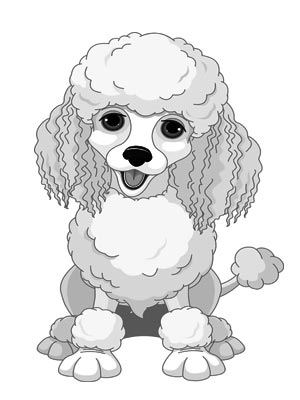
Toy Dog Breeds: The Toy Dog Breeds were once seen as the height of luxury by people of the lower classes who expected their dogs to perform specific duties such as herding and hunting. Toy Dog Breeds were therefore specifically for royalty, the nobility and the wealthy and were seen as status symbols. Toy Dog Breeds were generally used as lapdogs or as bed warmers in castles or large houses. Changes in lifestyles and the economy enabled ordinary people to also enjoy the pleasure of owning one of the dogs in Toy Dogs breeds, although some toy dogs were already used as ratters. As the demand for small dogs increased in the early 1800's, Dog breeders began to develop dogs for appearance. This trend continued with the advent of Teacup Dogs and only recently, in the late 1990's, cross breed "Designer Dogs" began to appear, the smallest being referred to as Teddy Bear Dogs". The original toy Dog Breeds, and those recognised by kennel clubs including the AKC (American Kennel Club) are detailed in this article. Toy Dog Breeds recognised by Kennel Clubs: The Toy Dog Breeds recognised by Kennel Clubs, and classified in the Toy Dog Group, are the Affenpinscher, Brussels Griffon, Cavalier King Charles Spaniel, Chihuahua, Chinese Crested, English Toy Spaniel, Havanese, Italian Greyhound, Japanese Chin, Maltese, Manchester Terrier (Toy), Miniature Pinscher, Papillon, Pekingese, Pomeranian, Pug, Shih Tzu, Silky Terrier, Toy Fox Terrier, Yorkshire Terrier and the Toy Poodle. Toy Dog Breeds - Low Shedding coats: Many of the Toy Dog Breeds are less active than larger dogs and an advantage of this it that they tend to be low shedding dogs. The following facts and info about the Toy Dog Breeds provide deatils of the dog's coats and whether they are low shedders. For additional information about Low shedders refer to Small Dog Breeds that don't shed. Toy Dog Breeds - Affenpinscher: The small, adventuresome, friendly, headstrong Affenpinscher, and has a rough, wiry coat that is low shedding. The Affenpinscher was recognised by the AKC in 1936 and used as a Watchdog, Hunting and lapdog. Toy Dog Breeds - Brussels Griffon: The small, inquisitive, companionable Brussels Griffon has a varied coarse or smooth coat which is low shedding. The Brussels Griffon was recognised by the AKC in 1910 and used as a Watchdog and Stable Dog. Toy Dog Breeds - Cavalier King Charles Spaniel: The small, adorable, courageous, loving Cavalier King Charles Spaniel. The Cavalier King Charles Spaniel was recognised by the AKC in 1995 and used as a Bird Flusher and lapdog. Toy Dog Breeds - Chihuahua: The tiny , lively, devoted, courageous Chihuahua has a short, smooth, low shedding coat. The Chihuahua was recognised by the AKC in 1904 and used as a Ceremonial and Pet. Toy Dog Breeds - Chinese Crested: The small, lively, loving, cute, playful Chinese Crested is hairless or has a long, low shedding, silky coat. The Chinese Crested was recognised by the AKC in 1991 and used as a Lapdog. Toy Dog Breeds - English Toy Spaniel: The small, sweet-tempered, loving, cute, reserved English Toy Spaniel has a long, silky, glossy, low shedding coat. The English Toy Spaniel was recognised by the AKC in 1886 and used for Bird flushing and a lapdog. Toy Dog Breeds - Havanese: The small, companionable, playful, sweet-tempered Havanese has a curly, wavy or straight, low shedding coat. The Havanese was recognised by the AKC in 1996 and used as a Performer and Lapdog. Toy Dog Breeds - Italian Greyhound: The small, nimble, loving, cute, clever Italian Greyhound has a short, glossy, low shedding coat. The Italian Greyhound was recognised by the AKC in 1886 and used as a Lapdog. Toy Dog Breeds - Japanese Chin: The small, loyal, playful, alert Japanese Chin has a a flowing & silky, low shedding coat. The Japanese Chin was recognised by the AKC in 1888 and used as a Companion and Lapdog. Toy Dog Breeds - Maltese: The small, cute, easygoing, active, responsive Maltese has a a long, silky, low shedding coat. The Maltese was recognised by the AKC in 1888 and used as a Companion and Lapdog. Toy Dog Breeds - Manchester Terrier (Toy): The little, loyal, active, alert Manchester Terrier has a smooth, short, dense, low shedding coat. The Manchester Terrier (Toy) was recognised by the AKC in 1887 and used as a Watchdog and as a ratter. Toy Dog Breeds - Miniature Pinscher: The small, energetic, clever, friendly Miniature Pinscher has a short, dense, close fitting, low shedding coat. The Miniature Pinscher was recognised by the AKC in 1925 and was originally used as a Ratter. Toy Dog Breeds - Papillon: The small, energetic, sharp, hardy Papillon has a long, silky, straight, low shedding coat. The Papillon was recognised by the AKC in 1915 and used as a Watchdog, Companion and Lapdog. Toy Dog Breeds - Pekingese: The small, loving, cute, headstrong, loyal Pekingese was recognised by the AKC in 1906and used as a Companion and Lapdog. Toy Dog Breeds - Pomeranian: The small, active, sociable, playful Pomeranian has a thick, harsh, low shedding double coat. The Pomeranian was recognised by the AKC in 1888 and used as a Companion and Lapdog. Toy Dog Breeds - Pug: The small, loving, cute, courageous, loyal Pug has a short, fine, soft, smooth, low shedding coat. The Pug was recognised by the AKC in 1885 and used as a Companion and Lapdog. Toy Dog Breeds - Shih Tzu: The small, lively, courageous, loving Shih Tzu has a long, flowing, low shedding double coat. The Shih Tzu was recognised by the AKC in 1969 and used as a Companion and Lapdog. Toy Dog Breeds - Silky Terrier: The small, inquisitive, sharp, loving Silky Terrier has a long, straight, silky, low shedding coat. The Silky Terrier was recognised by the AKC in 1959 and used as a Ratter. Toy Dog Breeds - Toy Fox Terrier: The small, spirited, loyal, sharp Toy Fox Terrier has a short, shiny, smooth, low shedding, fine coat. The Toy Fox Terrier was recognised by the AKC in 2003 and used as a Ratter and Lapdog. Toy Dog Breeds - Yorkshire Terrier: The small, courageous, energetic, loyal Yorkshire Terrier has a long, luxurious, low shedding coat. The Yorkshire Terrier was recognised by the AKC in 1885 and used as a Ratter and Lapdog. |