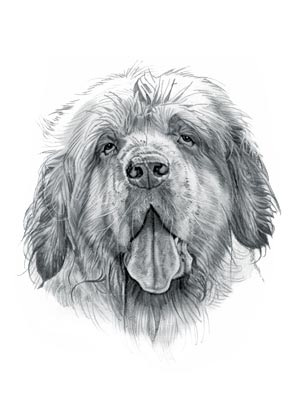
Clumber Spaniel Characteristics: The good-natured and genial Clumber Spaniel is a breed of large dog classified as a member of the Sporting Dog Group (AKC:1884). The Clumber Spaniel, is characterized by its very heavy, attractive appearance with a big, square head and an attentive expression. Other characteristics include large, deep set, dark amber eyes; triangular shaped, pendulous ears; a firm, straight back and an efficient, fluid gait. The temperament of the Clumber Spaniel can be described as Gentle, Dignified, Loyal. The coat type of the Clumber Spaniel is described as straight, smooth coat in white coat color. Due to its characteristics and qualities, the Clumber Spaniel demonstrated the desired traits of a Bird Flusher and retrieving dog and is known by its nick name the "French Revolution Emigre". The origin of the Clumber Spaniel dog breed was in United Kingdom where it was developed in the 1700's. Fast Facts about the Clumber Spaniel: The following facts provide fast information about the Clumber Spaniel breed. Size: Large *** Breed Group: Sporting Dog Group (AKC:1884) *** Nick name: "French Revolution Emigre" *** Origin: United Kingdom *** Male Height: 16 - 20 inches (41 - 51 cm) *** Female Height: Slightly Less *** Male Weight: 55 - 85 pounds (25 - 39 kg) *** Female Weight: Slightly Less *** Coat Type: straight, smooth coat *** Coat Colors: white coat color *** Litter Size: 2-8 puppies *** Health Problems: Back Problems, Hip Dysplasia, Entropion *** Lifespan: 10-12 years *** Hypoallergenic: No Clumber Spaniel Breed Group and Dog Type - Sporting Dog Group (AKC:1884): The Clumber Spaniel is one of the many breeds of dogs that belong to the Sporting Dog Group (AKC:1884). Other names for the Clumber Spaniel: The Clumber Spaniel is known by the nickname of the "French Revolution Emigre". Other names for this breed of dog include the Newcastle Clumber. Origin of the name: The name "Clumber Spaniel" derives from its place of origin
Clumber Park in Nottinghamshire, the home of the Duke of Newcastle. The word 'spaniel' originated in Spain and referred to a surname meaning "Spaniard". It was then transferred as a name for a breed of dog supposedly of Spanish origin. Clumber Spaniel History and Origin: The country of origin of the Clumber Spaniel breed was in United Kingdom during the late 1700's. In 1792 Jean Paul François (1739–1824), the fifth duc de Noailles, fled the French Revolution (1789 - 1799) and was believed to have given his much loved kennel of spaniels to the Duke of Newcastle-under-Lyne whose seat was in Clumber Park in Nottinghamshire, England. Thomas Pelham-Clinton, 3rd Duke of Newcastle-under-Lyne (1752–1795), and his gamekeeper William Mansell are credited with the development of the Clumber Spaniel. Various ancestors for the Clumber Spaniel breed have been suggested, including the Blenheim English Toy Spaniel and the Basset Hound. One of the earliest descriptions of the Clumber Spaniel was in the book "House Dogs and Sporting Dogs", published in 1861 by the Englishman John Meyrick, who described the breed as a Springer and the "largest variety of Spaniel with a low, strong limbed broad-backed dog". Merrick stated that the Clumber Spaniel was highly valued as a Gun dog in "battue shooting" (The word 'Battue' derives from the Latin word 'battuere' meaning to beat. Battue shooting involves the beating or driving of game from cover toward a stationary hunter). The slow, deliberate Clumber Spaniel was suited to this task for its endurance, tracking skills and its ability penetrate thick and thorny undergrowth. The Clumber Spaniel was officially recognized by the American Kennel Club (AKC) in 1884. Clumber Spaniel Modern History: The modern history of the Clumber Spaniel moved on and, due to the decline in hunting, the Clumber Spaniel nearly became extinct in the 1900's. In the 1980s shooting enthusiasts in the UK rediscovered the breed and the Clumber Spaniel was again used as a working gundog. The Clumber Spaniel breed is now used in this capacity and also as a valued family pet and companion. Clumber Spaniel Height: This breed is classified as a large sized dog. The height to the shoulder of a male dog is 16 - 20 inches (41 - 51 cm). The height to the shoulder of a female dog is slightly less. Clumber Spaniel Weight: Not surprisingly for a large sized dog, the weight of a male dog is 55 - 85 pounds (25 - 39 kg). The weight of the smaller female dog is slightly less than the male. Clumber Spaniel Coat Type: The coat type is described as straight, smooth coat. Clumber Spaniel Coat Colors: The coat colors of this dog breed include White, Orange & White and Lemon & White. Clumber Spaniel Grooming - MODERATE Grooming Needs: The dog grooming needs of the Clumber Spaniel is not extensive and therefore categorized as Moderate in order to maintain a healthy coat, reducing the risk of skin infections. The modest grooming needs of the Clumber Spaniel is considered to be mid-maintenance requiring weekly brushing and combing. Dog Grooming Requirements should include bathing the dog on a monthly basis and making regular inspections of the teeth, eyes, nails and ears. Clumber Spaniel Litter Size: The litter size of this dog breed ranges from 2-8 puppies. Clumber Spaniel puppies for sale can be obtained reputable breeders and from rescue centers. The cost of Clumber Spaniel puppies varies depending on location, pedigree history and the dog breeder. Clumber Spaniel Temperament and personality: The temperament and personality of this popular dog breed is described as Good-natured, Gentle, Dignified, Loyal and Genial. Clumber Spaniel Exercise Requirements - HIGH Exercise Requirements: The exercise requirements of this breed of dog is high. The Clumber Spaniel requires regular daily exercise consisting of approximately one to two hours each day. This large, powerful dog has an easy, efficient, fluid gait with strides of a moderate length and requires a brisk walking speed or jogging by the owner to meet the dogs exercise requirements. Clumber Spaniel Diet: A fully grown Clumber Spaniel should be fed twice a day. A diet consisting of a premium dog food can be balanced with fresh food eaten by the family. The question is What Can Dogs Eat?. Check out our comprehensive list of what dogs can and what dogs cannot eat. Clumber Spaniel Health Problems: Potential health problems of the Clumber Spaniel breed include Back Problems, Hip Dysplasia, Entropion . Resolving health problems can prove to be expensive and it is always wise to obtain pet insurance or dog health insurance when buying a dog. Is the Clumber Spaniel dog breed said to be Hypoallergenic? Answer: No. Clumber Spaniel Lifespan: The life expectancy of dogs vary according to the size, breed of dog and any serious health problems. The typical lifespan of the Clumber Spaniel breed is 10-12 years. Clumber Spaniel Male Dog Names: Male Dog names are most often chosen to reflect favorite names of the owner or the strength, size, coloring and country of origin of the Clumber Spaniel breed. To give you some inspiration regarding good male Clumber Spaniel names our small selection might be of help with naming boy dogs. Our top male dog names are: Gus *** Dylan *** Murphy *** Rufus *** Bandit *** Pepper *** Hunter *** Gizmo *** Samson *** Chaos *** Jagger. Clumber Spaniel Female Dog Names: Female Dog names tend to be softer, prettier and reflect the temperament of the girl dog. Our top choice of good female Clumber Spaniel names are Katie *** Gracie *** Princess *** Phoebe *** Reba *** Kishi *** Leah *** Mara *** Persis *** Rosie *** Misty. Fast Facts about the Clumber Spaniel: The following facts provide fast information about the Clumber Spaniel breed. Scientific name: Canis lupus familiaris *** Dog Breed Group: Sporting Dog Group (AKC:1884) *** Size: Large *** Country of Origin: United Kingdom *** History / Date: 1700's *** Male Clumber Spaniel Height: 16 - 20 inches (41 - 51 cm) *** Male Clumber Spaniel Weight: 55 - 85 pounds (25 - 39 kg) *** Coat Type: straight, smooth coat *** Litter Size: 2-8 puppies *** Clumber Spaniel Health Problems: Hip dysplasia, thyroid, and joint problems *** Clumber Spaniel Lifespan: 10-12 years *** |