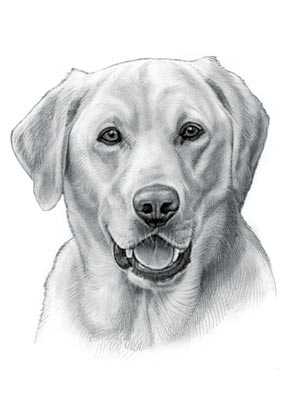
Labrador Retriever Characteristics: The genial and companionable Labrador Retriever is a breed of medium sized dog, classified as a member of the Sporting Dog Group (AKC:1917). The Labrador Retriever, is characterized by its magnificent, athletic appearance with a powerfully-built body, dense coat and kind, gentle expression. Other characteristics include brown or hazel, medium sized, triangular shaped eyes; close set ears; a short tail and a straight, fluid gait. The temperament of the Labrador Retriever can be described as Friendly, Gentle, Out-Going. The coat type of the Labrador Retriever is described as short, water-resistant coat in black, chocolate, yellow colors. Due to its characteristics and qualities, the Labrador Retriever demonstrated the desired traits of a hunting dog and is known by its nick name the "Fisherman's Friend". The origin of the Labrador Retriever dog breed was in Canada where it was developed in the 1800's. The Labrador Retriever is ranked as Number 7 in the Smartest Dog List. Fast Facts about the Labrador Retriever: The following facts provide fast information about the Labrador Retriever breed. Size: Medium *** Breed Group: Sporting Dog Group (AKC:1917) *** Labrador Retriever Nick name: "Fisherman's Friend" *** Origin: Canada *** Male Height: 22-24 inches (56-61cm) *** Female Height: 21-23 inches (53-58 cm) *** Male Weight: 60-75 pounds (27-34kg) *** Female Weight: 55-70 pounds (25-32 kg) *** Labrador Retriever Coat Type: short, water-resistant coat *** Coat Colors: black, chocolate, yellow colors *** Litter Size: 6-8 puppies *** Labrador Retriever Health Problems: Eye problems, Skin Allergies, Hip Dysplasia *** Labrador Retriever Lifespan: 10-13 years *** Hypoallergenic: No Labrador Retriever Breed Group and Dog Type - Sporting Dog Group (AKC:1917): The Labrador Retriever is one of the many breeds of dogs that belong to the Sporting Dog Group (AKC:1917). Other names for the Labrador Retriever: The Labrador Retriever is known by the nickname of the "Fisherman's Friend". Other names for this breed of dog include the Lab, Black Lab, Chocolate Lab, Yellow Lab and Silver Lab. Origin of the name: The name 'Labrador Retriever' derives from the place of origin in the Labrador Peninsula in Canada. Labrador was named after the Portuguese explorer Joao Fernandes Lavrador (1453 - 1501), who helped to map the Labrador Peninsula on the eastern Canadian coast. Labrador Retriever History and Origin: The country of origin of the companionable Labrador Retriever breed was in Canada during the 1800's when deserters from the British fishing fleet developed the breed. They needed a dog that had a waterproof coat that was thick enough to withstand very low temperatures, and the ability to swim in strong currents over long periods of time. The now extinct St. John's water dog, also known as lesser Newfoundland dog, is believed to be the ancestor of the Labrador Retriever. The super intelligent Labrador Retriever specialised in retrieving nets, ropes and lines for the fishermen and dived into the water to retrieve fish that had slipped from the fishermen's hooks (hence its nickname the "Fisherman's Friend". The Labrador Retriever was also used for hauling fish carts. With the growing popularity of fast loading firearms the Labrador Retriever made the successful transition to the role of a Bird Dog (Gun Dog). The first written reference to the St. John's water dog (Labrador Retriever) was in 1814, in 'Instructions to Young Sportsmen in all that relates to guns and shooting' by Colonel Peter Hawker, a well known sportsman. Colonel Hawker described the dog as having "an excellent sense of smell, flexibility and speed". In the early 1800's the first St. John's dogs arrived in England. Some were imported by James Edward Harris, 2nd Earl of Malmesbury (19 August 1778 – 10 September 1841) who began a breeding program to standardize the breed at the Malmesbury kennels. James Harris, the 3rd Earl of Malmesbury (25 March 1807 – 17 May 1889) was the first person to refer to the dogs as Labrador Retrievers. By 1870 the name Labrador Retriever became common in England and the breed started to gain in popularity. In 1903 the Labrador Retriever was recognized by the UK Kennel Club. The Labrador Retriever was officially recognized by the American Kennel Club (AKC) in 1917. Labrador Retriever History - The Dam Busters: A famous black Labrador Retriever called "Niger" belonged to Wing Commander Guy Gibson, gave the name of his Labrador Retriever as the codename for the Dam Busters mission in World War II. His name is usually edited out of modern versions of the movie about the Dam Busters mission. Labrador Retriever History - The Kleenex Puppy: The Labrador Retriever puppy has become synonymous with the rather unglamorous but vital household item - the toilet roll. A golden Labrador Retriever puppy is used in various advertising campaigns for Cottonelle™, Andrex™, Scottex™ and Kleenex™ across the world by the American company Kimberly-Clark™. The Labrador Retriever puppy has gone on to promote various charities that train guide dogs for blind people and for people with other disabilities. Labrador Retriever History - Marley & Me (2008 movie) : The 2008 movie 'Marley & Me' starring Jennifer Aniston features incorrigible yellow Labrador Retriever and the family that grows to love him despite his destructive habits. Labrador Retriever Modern History: The modern history of the Labrador Retriever moved on and the breed is used by the Police, Military, Customs and Border agencies and in Search & Rescue operations by first responders. This super smart Labrador Retriever breed is also used as Therapy dogs and Guide dogs. Dog breeders in the 1990's combined the intelligence and qualities of the versatile Poodle and the Labrador Retriever to develop the Labradoodle, one of the most popular 'Designer Dogs'. Labrador Retriever Height: The Labrador Retriever breed is classified as a medium sized dog. The height to the shoulder of a male dog is 22-24 inches (56-61cm). The height to the shoulder of a female dog is 21-23 inches (53-58 cm). Labrador Retriever Weight: The weight of the male in this medium sized dog is 60-75 pounds (27-34kg). The weight of the smaller female dog is 55-70 pounds (25-32 kg). Labrador Retriever Coat Type: The coat type is described as a short, water-resistant coat. Labrador Retriever Coat Colors: The colors of this dog breed include black, chocolate, yellow colors. Labrador Retriever Grooming - LOW Grooming Needs: The dog grooming needs of the Labrador Retriever are categorized as Low in order to maintain a healthy coat and reduce the risk of skin infections. The limited dog grooming needs of the Labrador Retriever are therefore considered to be low maintenance, requiring limited attention to grooming with casual brushing and combing. Dog Grooming needs should also include bathing the dog on a monthly basis and making regular inspections of the eyes, ears, nails and teeth. Labrador Retriever Litter Size: The litter size of this dog breed ranges from 6-8 puppies. Labrador Retriever puppies for sale can be obtained reputable breeders and from rescue centers. The cost of Labrador Retriever puppies varies depending on location, pedigree history and the dog breeder. Labrador Retriever Temperament and personality: The temperament and personality of this popular dog breed is described as Genial, Friendly, Gentle, Out-Going and Companionable. Labrador Retriever Exercise Requirements: The exercise requirements of this breed of dog are moderate. The Labrador Retriever requires regular daily exercise consisting of about one hour every day. This medium sized dog has a straight, fluid, strident gait with strides of a moderate length requiring a steady walking or jogging speed by the owner to meet the dogs exercise requirements. If the dog has more energy than you do, then teach your dog to play ball in a chase and catch game. Labrador Retriever Diet: A fully grown Labrador Retriever should be fed twice a day. A diet consisting of a premium dog food can be balanced with fresh food eaten by the family. The question is What Can Dogs Eat?. Check out our comprehensive list of what dogs can and what dogs cannot eat. Labrador Retriever Health Problems: Potential health problems of the Labrador Retriever breed include Eye problems, Skin Allergies, Hip Dysplasia. Resolving health problems can prove to be expensive and it is always wise to obtain pet insurance or dog health insurance when buying a dog. Is the Labrador Retriever dog breed said to be Hypoallergenic? Answer: No. Labrador Retriever Lifespan: The life expectancy of dogs vary according to the size, breed of dog and any serious health problems. The typical lifespan of the Labrador Retriever breed is 10-13 years. Labrador Retriever Male Dog Names: Male Dog names for the Labrador Retriever are most often chosen to reflect favorite names of the owner or the strength, size, coloring and country of origin of the Labrador Retriever breed. To give you some inspiration regarding good male Labrador Retriever names our small selection might be of help with naming boy dogs. Our top male dog names for a Labrador Retriever are: Ezra *** Dylan *** Prince *** Archie *** Apollo *** Gideon *** Vulcan *** Pluto *** Pax *** Smoky *** Caesar. Labrador Retriever Female Dog Names: Female Dog names tend to be softer, prettier and reflect the temperament of the Labrador Retriever girl dog. Our top choice of good female Labrador Retriever names are Zara *** Lola *** Sassy *** Dixie *** Venus *** Bobbi *** Pepper *** Maddy *** Honey *** Sophie *** Bella. Fast Facts about the Labrador Retriever: The following facts provide fast information about the Labrador Retriever breed. Scientific name: Canis lupus familiaris *** Dog Breed Group: Sporting Dog Group (AKC:1917) *** Size: Medium *** Country of Origin: Canada *** History / Date: 1800's *** Male Labrador Retriever Height: 22-24 inches (56-61cm) *** Male Labrador Retriever Weight: 60-75 pounds (27-34kg) *** Coat Type: short, water-resistant coat *** Litter Size: 6-8 puppies *** Labrador Retriever Health Problems: Hip dysplasia, thyroid, and joint problems *** Labrador Retriever Lifespan: 10-13 years *** |