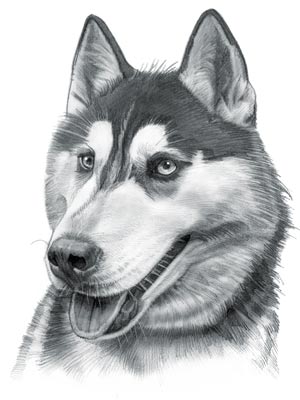
Alaskan Husky Characteristics: The genial and frolicsome Alaskan Husky is a breed of large dog is not recognized as a standardized breed and is a Hybrid / Mix of the Siberian Husky and the Alaskan Malamute. The Alaskan Husky, is characterized by its graceful, muscular appearance with a clearly defined, fox-like head, noble expression, and a smooth, effortless gait. Other characteristics include a straight, strong back, deep chest, almond-shaped, slanting brown or blue eyes and high set, triangular shaped ears. The temperament of the Alaskan Husky can be described as Friendly, Fun-loving, gentle. The coat type of the Alaskan Husky is described as coarse, short to medium coat in assorted colors. Due to its characteristics and qualities, the Alaskan Husky demonstrated the desired traits of a guardian and Sled Pulling Dog and is known by its nick name the "Sled Racer". The origin of the modern Alaskan Husky dog breed was in United States (Alaska) but the dog dates back to the canines of Ancient Times. Fast Facts about the Alaskan Husky: The following facts provide fast information about the Alaskan Husky breed. Size: Large *** Breed Group: Hybrid / Mix: Siberian Husky / Alaskan Malamute *** Nick name: "Sled Racer" *** Origin: United States (Alaska) *** Male Height: 22 - 24 inches (56 - 61 cm) *** Female Height: 20-24 inches *** Alaskan Husky Male Weight: 50-90 pounds (23-41 kg) *** Alaskan Husky Female Weight: 45-80 pounds (20-36 kg) *** Coat Type: coarse, short to medium coat *** Coat Colors: assorted colors *** Litter Size: 4 to 10 puppies *** Health Problems: None *** Lifespan: 16 - 19 years *** Hypoallergenic: No Alaskan Husky Dog Type - Hybrid / Mix (Unrecognised as a breed): Siberian Husky / Alaskan Malamute: The Alaskan Husky is one of the many types of dogs that belong to the Hybrid / Mix category and developed from the Siberian Husky and the Alaskan Malamute. The Alaskan Husky is not recognized as a standardized breed by any of the major kennel clubs. Other names for the Alaskan Husky: The Alaskan Husky is known by the nickname of the "Sled Racer". Other names for this breed of dog include the Alaskan Dog, the Alusky, Sled dog and Asky. Origin of the name: The origin of the name "Alaskan Husky" derives from its country of origin from Alaska in the United States. The name 'Husky' derives from the Inuit word "Ehuskemay" meaning an Eskimo. Alaskan Husky History and Origin: The country of origin of the Alaskan Husky breed was in United States (Alaska) but descends from the ancient dogs of early antiquity that date back thousands of years. Many of these ancient dogs crossed the Bering Straits from northern Europe to North America via the, then intact, Bering Land Bridge. The forebears of the Alaskan Husky include the smaller Siberian Huskies (imported to America in 1908) and the variety of indigenous ancient dog types that descended from wolves on the North American continent that were found in the Native American villages of the Aleut, Yupik, and Inuit people of the Arctic region of present day Alaska, Canada and Greenland. The Chinook, Salish, Tillamook, Eyak, and the Tlingit tribes used their canines as guard dogs, for hunting and for sled pulling. The use of huskies as sled dogs was first recorded in 1577 by the explorer Martin Frobisher who made voyages to the New World to look for the Northwest Passage. The Arctic tribes were known to use the dogs for competitive sled races and this practise continues to the modern day with dogs including the Alaskan Husky. Alaskan Husky Modern History: The modern history of the Alaskan Husky moved on and although the breed is still used as Sled Pulling Dog it is valued as a sled puller, family pet and companion. Alaskan Husky Height: This breed is classified as a large sized dog. The height to the shoulder of a male dog is 22 - 24 inches (56 - 61 cm). The height to the shoulder of a female dog is 20-24 inches. Alaskan Husky Weight: Not surprisingly for a large sized dog, the weight of a male dog is 50-90 pounds (23-41 kg). The weight of the smaller female dog is 45-80 pounds (20-36 kg). Alaskan Husky Coat Type: The coat type is described as coarse, short to medium coat. Its double coat is medium in length, the Undercoat is soft and dense. Alaskan Husky Coat Colors: Although many people associate Black & White or Gray & White as the normal colors for Alaskan Husky The colors of this dog breed also include any assortment of colors and patterns, some of which are not found in other breeds of dogs. Alaskan Husky Grooming - LOW Grooming Needs: The grooming requirements of the Alaskan Husky is fairly minimal, one grooming session per week is usually enough to maintain a healthy coat and reduce the risk of skin infections. Casual brushing is all that's generally required although more intense brushing and grooming is required during the 6 week shedding period, in order to remove dead hairs. Grooming Requirements should include bathing the Alaskan Husky on a monthly basis and making regular inspections of the nails, teeth, eyes and ears. Alaskan Husky Litter Size: The litter size of this dog breed ranges from 4 to 10 puppies. Alaskan Husky puppies for sale can be obtained reputable breeders and from rescue centers. The cost of Alaskan Husky puppies varies depending on location, pedigree history and the dog breeder. Alaskan Husky Temperament and personality: The temperament and personality of this popular dog breed is described as Genial, Friendly, Fun-loving, Gentle and Frolicsome. Alaskan Husky Exercise Requirements - HIGH Exercise Requirements: The exercise requirements of this breed of dog is high. The Alaskan Husky requires regular daily exercise consisting of approximately one to two hours each day. This large, powerful dog has a smooth, effortless gait with strides of a moderate length and requires a brisk walking speed or jogging by the owner to meet the dogs exercise requirements. Alaskan Husky Diet: A fully grown Alaskan Husky dog should be fed 2 times per day. A diet consisting of a premium dog food can be balanced with fresh food eaten by the family. The question is What Can Dogs Eat?. Check out our comprehensive list of what dogs can and what dogs cannot eat. Alaskan Husky Health Problems: Potential health problems of the Alaskan Husky breed have shown no recurring problems. Resolving health problems can prove to be expensive and it is always wise to obtain pet insurance or dog health insurance when buying a dog. Is the Alaskan Husky dog breed said to be Hypoallergenic? Answer: No. Alaskan Husky Lifespan: The life expectancy of dogs vary according to the size, breed of dog and any serious health problems. The typical lifespan of the Alaskan Husky breed is 16 - 19 years. Alaskan Husky Male Dog Names: Male Dog names are most often chosen to reflect favorite names of the owner or the strength, size, coloring and country of origin of the Alaskan Husky breed. To give you some inspiration regarding good male Alaskan Husky names our small selection might be of help with naming boy dogs. Our top male dog names for an Alaskan Husky are: Pax *** Duke *** Prince *** Hamlet *** Caesar *** Tzar *** Storm *** Wolf *** Maximus *** Bruno. Alaskan Husky Female Dog Names: Female Dog names tend to be softer, prettier and reflect the temperament of the girl dog. Our top choice of good female Alaskan Husky names are Jada *** Kishi *** Sierra *** Sugar *** Maggie *** Daisy *** Lady *** Sasha *** Brandy *** Coco. Fast Facts about the Alaskan Husky: The following facts provide fast information about the Alaskan Husky . Scientific name: Canis lupus familiaris *** Dog Type: Hybrid / Mix: Siberian Husky / Alaskan Malamute *** Size: Large *** Country of Origin: United States (Alaska) *** History / Date: Ancient Times of early antiquity *** Male Alaskan Husky Height: 22 - 24 inches (56 - 61 cm) *** Male Alaskan Husky Weight: 50-90 pounds (23-41 kg) *** Coat Type: coarse, short to medium coat *** Litter Size: 4 to 10 puppies *** Alaskan Husky Health Problems: Hip dysplasia, thyroid, and joint problems *** Alaskan Husky Lifespan: 16 - 19 years *** |